We use cookies to give you the best possible experience on our site. By continuing to use the site, you agree to our use of cookies. Learn More
CoQ10's Vital Role in Energy Production
20 years old
The body's levels of CoQ10 have shown to peak around the age of 20.
36 million
A person's heart beats an average of 100,000 times a day — nearly 36 million times a year.
CoQ10 is a vital nutrient that initiates energy production at the cellular level and powers the heart.

Energize and Protect With CoQ10
Coenzyme Q10 (CoQ10) is part of the ubiquinone family, meaning it naturally resides and is produced in all the cells of the body and recognized for its role in supporting cellular energy production. Acting within the mitochondria, CoQ10 helps convert oxygen into energy (ATP) your body can use every day.
Product Classification
Gluten-Free
No Detectable GMO
Vegan
Good Manufacturing Practices
Isotonic
Reclaim and Rejuvenate Your Vitality
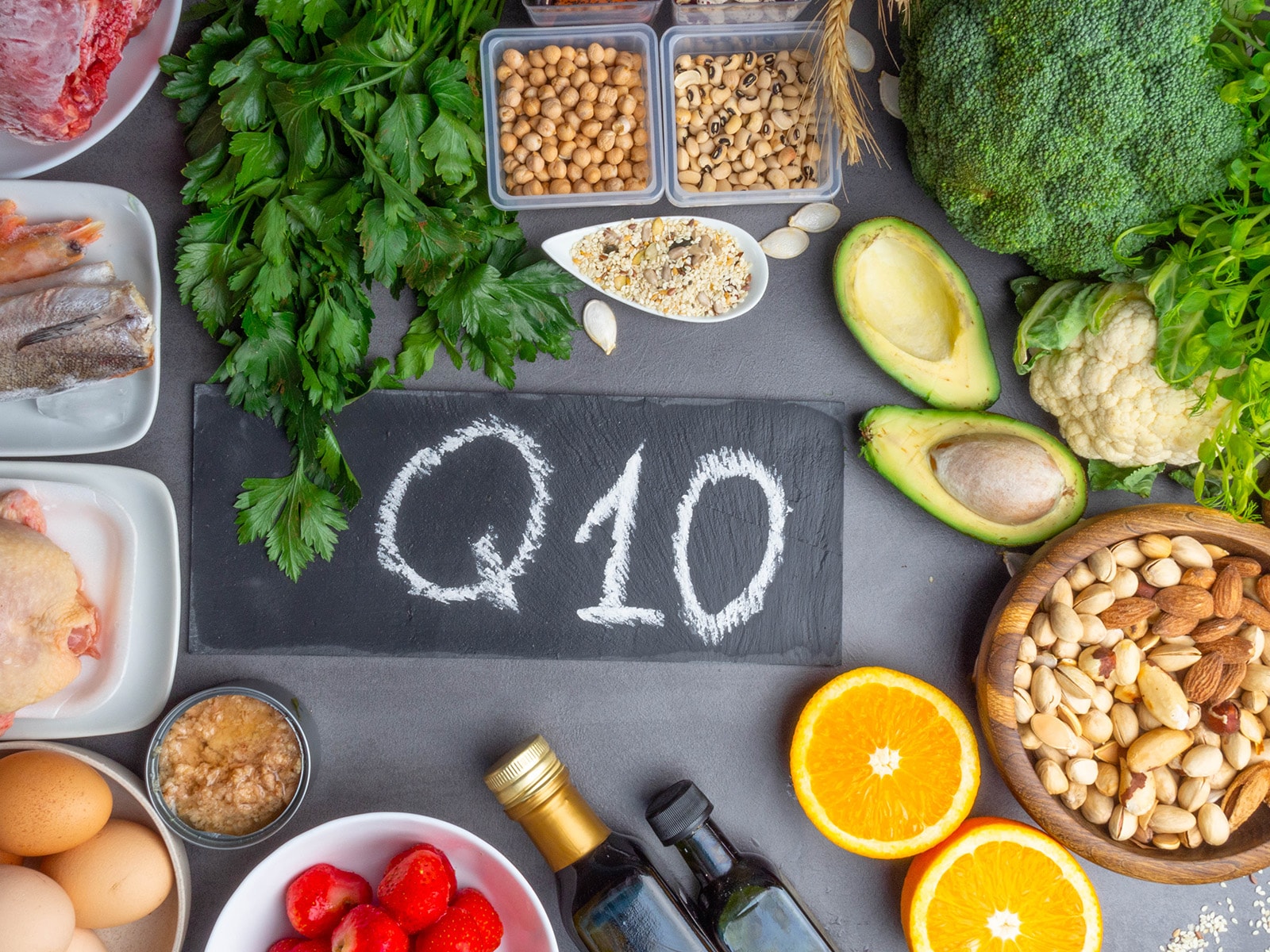
With age, the body's natural production and ability to synthesize CoQ10 declines. Choosing CoQ10-rich foods, essential nutrients and supplements can help ensure your body gets enough CoQ10 to support your overall well-being. When combined with vitamin E, CoQ10 delivers a synergistic antioxidant effect, working together to help protect cells from oxidative stress, maintain healthy cell membranes and support overall wellness.*
Key Ingredients & Benefits
Sodium (bicarbonate)
Helps support endurance performance during intense exercise when lactic acid is more prone to accumulate in the muscle cells, which can lead to premature fatigue
Calcium (sulfate)
Supports normal muscle contraction, nerve health, heart rhythms, blood coagulation, glandular secretion, energy production and immune system function
Riboflavin (Vitamin B2)
Supports metabolic processes in the body
Promotes healthy red cell formation and nervous system function
Potassium
Promotes normal water balance, levels of acidity, maintenance of normal blood pressure, the transmission of nerve impulses, digestion, muscle contraction and heartbeat
Vitamin E (d-alpha tocopheryl acetate)
One of the most powerful, fat-soluble antioxidants in the body
Helps protect cell membranes from the effects of free radicals
A high intake of vitamin E has been found to support a healthy heart
Lipase
Supports the conversion of triglyceride substrates found in oils from food to monoglycerides and free fatty acids
Supports the body's ability to break down dietary fats into an absorbable form
Frequently Asked Questions
What is Coenzyme Q10?
Coenzyme Q10 is actually a two-part compound that is composed of (1) a long, fat-soluble isoprenoid tail that anchors the molecule in the inner membrane of the mitochondria, and (2) a quinone that is capable of accepting and transferring electrons through a portion of the respiratory chain. A coenzyme is a non-protein substance that helps enzymes carry out their metabolic function and is not consumed in the reaction. Coenzyme Q10 is found in the cell membranes of all cells in our body, particularly in the inner mitochondrial membranes, and is especially concentrated in highly active organs such as the heart, lungs, kidneys, spleen and adrenal glands. Mitochondria produce large amounts of adenosine triphosphate (ATP), which helps cells perform work. Since the manufacture of adenosine triphosphate (ATP) in the mitochondria is known to generate many harmful oxygen radicals, coenzyme Q10 serves an antioxidant function in that location by neutralizing radicals.
What role does Coenzyme Q10 carry in the Kreb Cycle?
Coenzyme Q10 is also required by a key enzyme in the Kreb Cycle (Citric Acid Cycle), which converts both carbohydrates and fat into usable energy for the cell. Besides these functions within all cells, coenzyme Q10 also works with vitamin E outside of the cell when both compounds are dissolved in circulating low-density lipoprotein (LDL) particles carrying cholesterol.
What is the source of Coenzyme Q10?
While our livers produce small amounts of coenzyme Q10, and this small amount is distributed to the rest of the body, we get most CoQ10 from foods, such as organ meats, muscle meats, fish, peanuts, spinach, soy and nuts. In the past, it was difficult and very expensive to isolate sufficient amounts of coenzyme Q10 from these food sources for the purpose of dietary supplementation. However, a Japanese company succeeded in synthesizing coenzyme Q10 in 1977, thus making an important nutrient available to the world.
What is a safe and effective serving of supplemental Coenzyme Q10?
A variety of clinical studies have demonstrated that a daily intake as low as 30 mg and as high as 300 mg of coenzyme Q10 is safe and can promote a healthier life. The circulating levels of coenzyme Q10 take about 60 to 90 days to reach a steady state depending on the amount taken. Granular coenzyme Q10, as used in Isotonix, is about equal to the oil-based form in terms of uptake from the small intestine and distribution throughout the body.
What is the best way to store this product?
Keep Isotonix stored in a dry, cool place. If Isotonix is stored in the kitchen, keep it away from the stove, sink, heat-generating appliances or window ledges. If you live in a very humid area, you may store Isotonix products in the refrigerato, but not in the fruits and vegetables area.

Isotonix_Delivery_System
:05 minutes
Isotonix Liquid Vitamins
• Formulated to survive digestion.
• Delivers concentrated nutrients to the site of absorption.
• Contains no fillers or binders.
• No artificial color or flavors.
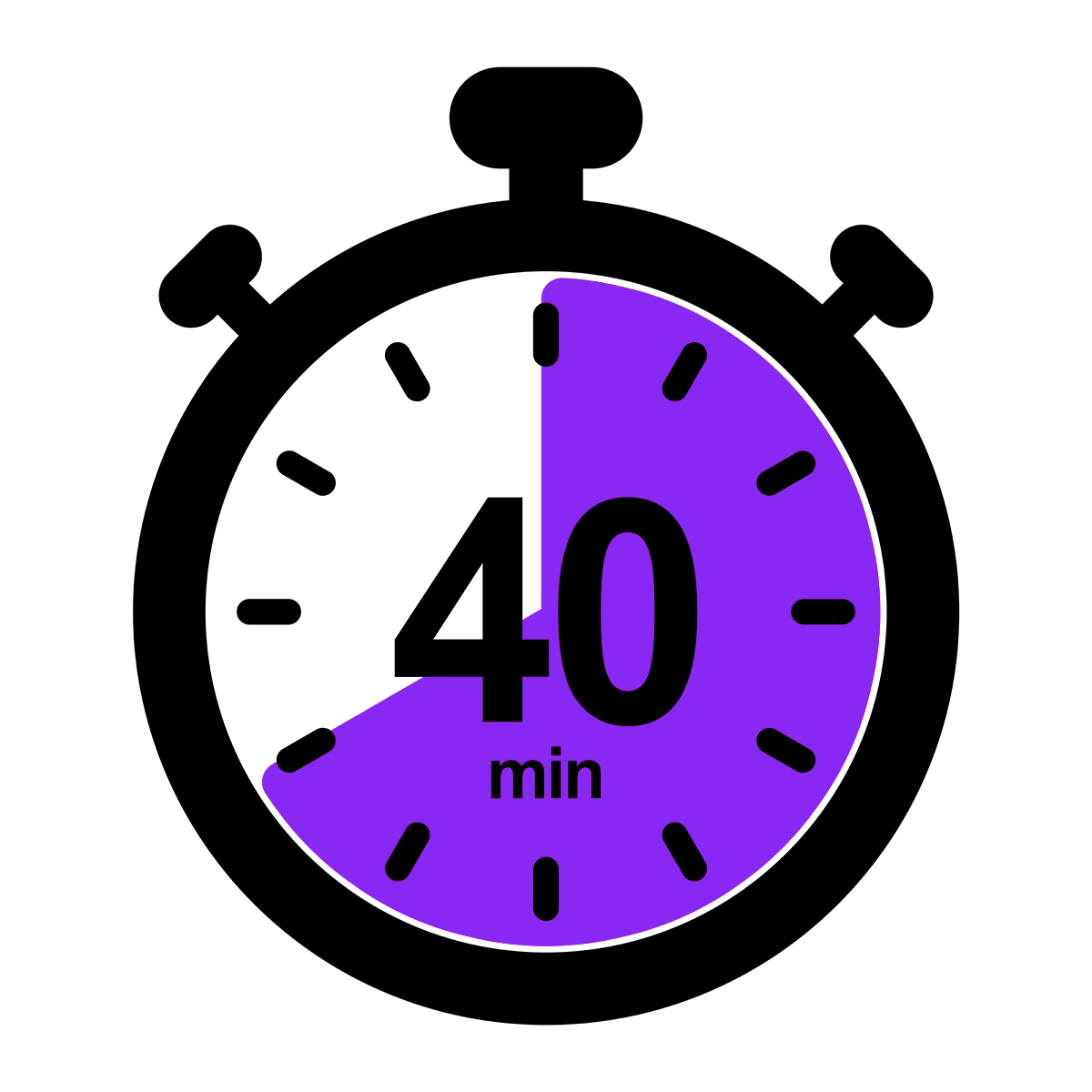
:40 minutes
Standard Vitamin Tablet
• Contains lab-created coatings and lubricants.
• Often contains artificial colors, nutrients and flavors.
• Limited absorption of nutrient utilization.
Research Scope
- Baggio E, Gandini R, Plauncher AC, et al. Italian multicenter study on the safety and efficacy of coenzyme Q10 as adjunctive therapy in heart failure. CoQ10 Drug Surveillance Investigators. Mol Aspects Med 1994;15 Suppl:S287-94.
- Burke BE, Neuenschwander R, Olson RD. Randomized, double-blind, placebo-controlled trial of coenzyme Q10 in isolated systolic hypertension. South Med J 2001;94:1112-7.
- Chan A, Reichmann H, Kogel A, et al. Metabolic changes in patients with mitochondrial myopathies and effects of coenzyme Q10 therapy. J Neurol 1998;245:681-5.
- Chello, M, et al. Protection of coenzyme Q10 from myocardial reperfusion injury during coronary artery bypass grafting. Annals of Thoracic Surgery 58: 1427-1432, 1994.
- Chen Y.F., Lin Y.T. and Wu S.C. Effectiveness of coenzyme Q10 on myocardial preservation during hypothermic cardioplegic arrest. Journal of Thoracic and Cardiovascular Surgery 107: 242-247, 1994.
- Coenzyme Q10. Monograph. Altern Med Rev. 2007 Jun;12(2):159-68.
- Digiesi, V. et al. Mechanism of action of coenzyme Q10 in essential hypertension. Current Therapy and Research 51: 668-672, 1992.
- Firstein, R. The Nutraceutical Revolution. New York, Riverhead Books, 1998.
- Folkers, K et al. The activities of coenzyme and vitamin B6 for immune responses. Biochemical and Biophysical Research Communications 193: 88-92, 1993.
- Folkers, K. et al. Biochemical rationale and the cardiac response of patients with muscle disease to therapy with coenzyme Q10. Proceedings of the National Academy of Sciences USA 82: 4513, 1985.
- Folkers, K et al. Coenzyme Q10 increases T4/T8 ratios of lymphocytes in ordinary subjects and relevance to patients having the AIDS-related complex. Biochemical and Biophysical Research Communications 176: 25.
- Folkers, K et al. Coenzyme Q, the immune system and aging. In: Biomedical and Clinical Aspects of Coenzyme Q10. Vol 3. Eds. Folkers, K and Yamamura, Y. Amsterdam: Elsevier, 1981, pp. 311-323.Folkers, K. et al. Effect of coenzyme Q10 on serum levels of creatine phosphokinase in preclinical muscular dystrophy. Proceedings of the National Academy of Sciences USA 71: 2098, 1974.
- Folkers, K et al. Effect of Ubiquinone and Related Compounds on Immune Response. In: Biomedical and Clinical Aspects of Coenzyme Q10. Eds. Folkers, K and Yamamura, Y. Amsterdam: Elsevier, 1977, pp. 151-163.
- Frei, B, et al. Ubiquinol-10 is an effective lipid-soluble antioxidant at physiological concentrations. Proceedings of the National Academy of Sciences USA 87: 4879-4883, 1990.
- Greenberg, S. and Frishman, W.H. Coenzyme Q10: A new drug for cardiovascular disease. Journal of Clinical Pharmacology 30: 596-608, 1990.
- Greenburg S. and Frishman W. Coenzyme Q10: A new drug from myocardial ischemia? Medical Clinics of North America 72: 243-58, 1998.
- Hanaki, Y. et al. Ratio of low-density lipoprotein cholesterol to ubiquinone as a coronary risk factor: New England Journal of Medicine, 325: 814-815, 1991.
- Ho MJ, Bellusci A, Wright JM. Blood pressure lowering efficacy of coenzyme Q10 for primary hypertension (review). Cochrane Database Syst Rev 2009;(4):CD007435.
- Hofman-Bang C, Rehnqvist N, Swedberg K, et al. Coenzyme Q10 as an adjunctive treatment of congestive heart failure. J Card Fail 1995; 1:101-7.
- Kagan, V, et al. Coenzyme Q: Its role in scavenging and generation of radicals in membranes. In Handbook of Antioxidants, eds. Enrique Cadenas and Lester Packer, New York, Marcel Dekker, Inc., 1996, pp. 157-201.
- Kon M, Tanabe K, Akimoto T, Kimura F, Tanimura Y, Shimizu K, Okamoto T, Kono I. Reducing exercise-induced muscular injury in kendo athletes with supplementation of coenzyme Q10. Br J Nutr. 2008 Oct;100(4):903-9.
- Langsjoen, P.H. et al. Pronounced increase of survival of patients with cardiomyopathy when treated with coenzyme Q10 and conventional therapy. International Journal of Tissue Reactions 12: 163-168, 1990.
- Langsjoen, P.H. et al. A six-year clinical study of therapy of cardiomyopathy with coenzyme Q10. International Journal of Tissue Reactions 12: 169-71, 199.
- Lansjoen, P.H. et al. Response of patients in classes III and IV of cardiomyopathy to therapy in a blind crossover trial with coenzyme Q10. Proceedings of the National Academy of Sciences USA 82: 4240, 1985.
- Littarru, G.P. et al. Clinical aspects of coenzyme Q: Improvement of cellular bioenergetics or antioxidant protection? In Handbook of Antioxidants, eds. E. Cadenas and L. Packer: New York, Marcel Dekker, Inc., 1996, pp. 203-239.
- Littarru, G.P. et al. Deficiency of coenzyme Q10 in gingival tissue from patients with periodontal disease. Proceedings of National Academy of Sciences USA 68: 2332, 1971.
- Lockwood, K. et al. Partial and complete regression of breast cancer in patients in relation to dosage of Coenzyme Q10. Biomedical and Biophysical Research Communications 199: 1504-1508, 1994.
- Mizuno K, Tanaka M, Nozaki S, Mizuma H, Ataka S, Tahara T, Sugino T, Shirai T, Kajimoto Y, Kuratsune H, Kajimoto O, Watanabe Y. Antifatigue effects of coenzyme Q10 during physical fatigue. 2008 Apr;24(4):293-9.
- Morisco C, Trimarco B, Condorelli M. Effect of coenzyme Q10 therapy in patients with congestive heart failure: A long-term, multicenter, randomized study. Clin Investig 1993;71:S134-6.
- Murray, M.T. Encyclopedia of Natural Medicine, Rocklin, CA, Prima Publishing, 1998.
- Nakamura, R. et al. Study of Co Q10-enzymes in gingival tissues from patients with periodontal disease and evidence for a deficiency of coenzyme Q10. Proceedings of the National Academy of Sciences USA 71: 1456, 1974.
- Rozen TD, Oshinsky ML, Gebeline CA, et al. Open label trial of coenzyme Q10 as a migraine preventive. Cephalalgia. 22:137-141, 2002.
- Sandor PS, Di Clemente L, Coppola G, et al. Efficacy of coenzyme Q10 in migraine prophylaxis: A randomized controlled trial. Neurology. 64:713-715, 2005.
- Shi, H. and Noguchi, N. Dynamics of antioxidant action of ubiquinol: A reappraisal. Biofactors 9: 141-148, 1999.
- Singh R.B. and Singh M.M. Effects of coenzyme Q10 in new indications with antioxidant vitamin deficiency. Journal of Nutritional and Environmental Medicine 9: 223-228, 1999.
- Sobreira C, Hirano M, Shanske S, et al. Mitochondrial encephalomyopathy with coenzyme Q10 deficiency. Neurology 1997;48:1238-43.
- Stocker, R. et al. Ubiquinol-10 protects human low-density lipoprotein more efficiently against lipid peroxidation than does alpha-tocopherol. Proceedings of the National Academy of Sciences USA 88: 1646-1650, 1991.
- Stryer, L. Biochemistry, 2nd ed. New York, W.H. Freeman and Company, 1981.
- Sunamori, M. et al. Clinical experience of coenzyme Q10 to enhance intraoperative myocardial protection in coronary artery revascularization. Cardiovascular Drugs and Therapy 5: 297-300, 1991.
- Turunen M, Olsson J, Dallner G. Metabolism and function of coenzyme Q. Biochim Biophys Acta 2004;1660:171-99.
Reviews
Customer Rating
4.4 out of 5 star rating.
(7 reviews)
would recommend this product.
- Newest
- Highest Rating
- Lowest Rating
- Oldest
- Most Helpful
Great product so far. Great addition to my wellness regimen
Thom M
by Anonymous
on 06/14/2019
Another great product
CoQ10
by Anonymous
on 05/20/2019
I love this product and have taken pills for years but much rather take isotonix version. The only negative os that it is only sold in a 30 serving size. Please make a 90 serving size available. It is costly but not as costly as poor health and failing organs. perhaps if you can bottle 90 servings, the cost could be less than 3 times the 30 serving.
Shoppers found this review helpful
That is wonderful isotonix .
by Anonymous
on 12/10/2018
If need say something that product bottle can be a little big. Thanks
The best COQ10 on the market!
by BariB
on 06/25/2018
The isotonic delivery system is wonderful. It does not sit in your stomach, but is immediately taken where it needs to go in the body.
Share this page!
Copy this link and paste to your favorite social, blog or website.
Link copied! Please paste and share on your favorite platforms.
There was an error copying to your clipboard. Please try again later.